Five-Minute Role-Plays That Transform Team Communication



The Five-Minute Flow That Fits Any Schedule

Clarifying a vague ask without sounding difficult
Practice turning a fuzzy directive into a shared plan by asking curious, concrete questions about outcomes, timeline, and constraints. Model warmth and brevity. Show how confirming assumptions in one sentence prevents rework, protects relationships, and helps leaders feel supported rather than challenged.
Pushing back while preserving momentum
Rehearse a respectful refusal that offers alternatives, frames tradeoffs, and anchors on the customer or mission. Use language that acknowledges urgency while protecting focus. Notice how tone, posture, and breath reduce defensiveness and invite collaboration toward a workable compromise today.
Elevating risk early with crisp context
Simulate notifying a stakeholder about an emerging risk using two sentences: one naming impact, one proposing next step. Emphasize specificity, ownership, and listening. Avoid jargon. See how early clarity trims escalation cycles, reduces drama, and strengthens cross-functional trust during fast-moving projects.

Safety and Inclusion in Every Micro-Practice
Adapting for Remote, Hybrid, and On-Site Teams
01
Breakout choreography without chaos
Pre-assign pairs, post the prompt in chat, and use a visible countdown. Ask pairs to post one win and one tweak before returning. This creates closure, keeps debriefs crisp, and helps quieter voices contribute artifacts everyone can reference later.
02
Signals that speed feedback
Use low-friction cues like emojis, hand-raise, or a single letter in chat to request a pause or celebrate a line worth saving. Rapid signals prevent interruptions, maintain flow, and make five minutes feel collaborative rather than performative or stressful.
03
Asynchronous practice for packed calendars
Invite two colleagues to swap short written role-plays in a thread, then post one audio take each. Keep prompts tiny and focus feedback on clarity of intent. This format flexes around shifts and time zones while still building shared language steadily.
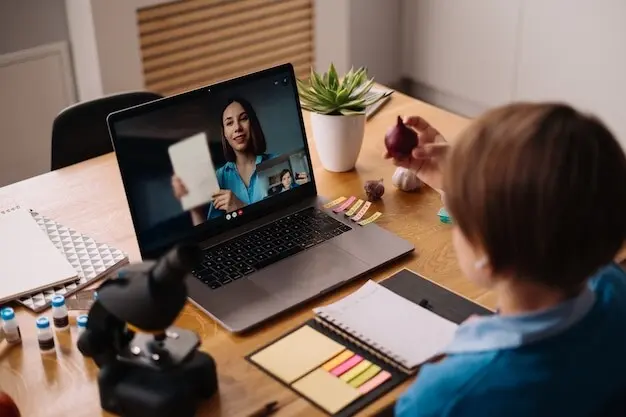
One-card tracker, big insights

Rotate ownership to grow facilitators
Stories That Prove It Works
Sales team turns awkward pauses into insight
Engineering pod reduces rework and tension
All Rights Reserved.